How planners can create transformative experiences with alternative venues
Ballrooms are built for meetings. They come with AV hookups, service corridors, climate control and backup plans. But some events call for something more memorable. What does it take to make an attendee stop, look around, and think, “I’ve never experienced anything like this before”?

That’s where alternative venues come in. From reimagined historic mansions to art museums, from yacht cruises to immersive venues like the new Ocean Pavilion at Seattle Aquarium, the allure is obvious: These settings offer a unique atmosphere and an out-of-the-ordinary experience that meetings in hotels and convention centers often can’t match.
More than ever, as attendee interest in communal experiences, outdoor environments and emotional resonance continues to grow, event professionals are moving beyond traditional venues, like hotel ballrooms and convention centers, towards immersive, atmospheric spaces that elevate the attendee experience. Though planning in spaces not typically designed for events requires forethought, flexibility and an ironclad contingency plan, when done right, the impact is astounding.
Start With the Story You Want to Tell

The first step to choosing an unconventional venue is to consider the emotional tone and experience you want attendees to have. “You start with the big questions,” says Aaron Clayton, a freelance event producer who has led large-scale events in numerous logistically challenging places. “Do you want guests to be indoors or outdoors? Do you need to be near a major airport, or is being remote part of the appeal?”
Read More: Alternative Venues: Not Your Usual Suspects
From there, Clayton suggests identifying what type of backdrop matches your story. “Do you want a historic site? A natural landscape? Cutting-edge architecture?” he says. “Those cues can guide your search down really exciting rabbit holes.”
From there, work backwards to find the space.
Plan to Fill the Gaps
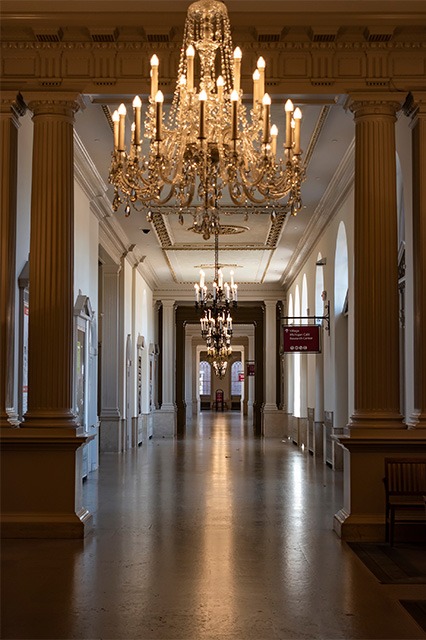
The more unique the venue, the less traditional event infrastructure it’s likely to have. Don’t underestimate pre-production time. “What makes a unique setting is that it doesn’t have infrastructure,” says Clayton. Alternative spaces can bring attendee experience above and beyond, but only if it’s done right. Planning in these spaces often requires the planner to think about what they typically would take for granted in a hotel or conference center, like power and bathrooms. It’s always better to over-plan for anything that might get in the way, like weather or technology.
Take Big Sur, California, where Clayton recently produced a multi-day corporate retreat. “Every space you look at, you start to look from the lens of how much infrastructure there is to support you, and you start whittling down to what you do or don’t have, and from there you can see what you’re going to have to provide,” Clayton says. “Big Sur has no infrastructure. There’s nowhere to stay. You’re not in an area that has any kind of local labor. So everything is flown in, driven in, everything needs a hotel, everything needs storage, everything needs extra power, everything needs extra restrooms. Meals are not accessible, so you really have to provide an infrastructure.” With that kind of territory, or any unique space, comes a budget that can snowball quickly, because any change that happens has much more exponential budgetary outcomes. “Any small change you make has exponential consequences. One more guest means another hotel room, more transport, more catering, more crew,” says Clayton.
Read More: Central/Northern California: Meeting on the Western Edge
This is where adaptable vendors and crew can really make an impact. In Big Sur, Clayton remembers the question that arose: How do you communicate with a large-scale events team in the forest? The answer is the perfect example of thinking outside the box: radios. But for radio communication to function, satellites are necessary. “To get radios to work in the forest is really tricky, so we had to find a radio vendor who understood how to get satellites up above the tree levels to get the access we needed,” Clayton says.
Even if your venue isn’t as remote, the same logic applies. A boat tour is a classic example of an alternative event setting, and is something you can do almost anywhere near a body of water. No two events are the same, and planners must work closely with the team to bring in any kind of specialty equipment, implement lighting and music, organize catering and more. The charm is in the setting naturally, but the event planner’s job is to create the polish that makes the experience stand out.
Budget With Breathing Room
While a unique venue can offer a powerful wow factor, that doesn’t mean it will come with a turnkey pricing model. “Everything is custom, and every adjustment comes with cascading costs,” says Clayton. Build in generous buffers in both your timeline and your budget, especially for labor, transportation and rentals. And don’t forget about permitting, noise ordinances or event insurance. Local restrictions can sneak up on you in more offbeat locations, so begin thinking about budgeting for all these details from the very start, as soon as you select a venue.
Don’t forget to lean on your resources. Many alternative venues offer in-house teams and semi-inclusive pricing that can streamline the process, especially in places like museums or historic buildings that see lots of visitors regularly.
Be Creative With Contingencies

If your event setting doesn’t come with any built-in backup plans, it’s up to the planner to create them. Although natural environments can provide some of the most outstanding and memorable backdrops for events, they are some of the trickiest. “Natural environments can shift on a dime,” says Clayton. “Big Sur is known for different weather environments coming in on a snap, and you have to really think about what can happen if it gets much colder, if it gets hotter, if there’s fog that comes in, if mist comes in, if rain comes in—make sure that there’s time and planning in getting your equipment covered. Are there heaters available? What are the backups to the backups? You really want to think about worst-case scenarios.” That level of planning applies whether you’re setting up in a state park or beside an aquarium tank.
At Seattle Aquarium’s Ocean Pavilion, opened in 2024, guests can enjoy two floors of sweeping views of Elliott Bay and a 325,000-gallon centerpiece tank that offers a window into a reef ecosystem in the Coral Triangle, a richly biodiverse region in the Indo-Pacific. But it’s still a working aquarium with strict sustainability guidelines, restrictions on sound levels and limitations on certain materials. Planning in a space like that means collaborating closely with venue staff to design an event that’s safe and compliant. By the time your attendees walk in, it feels nothing but immersive and magical.
The Once-in-a-Lifetime Factor
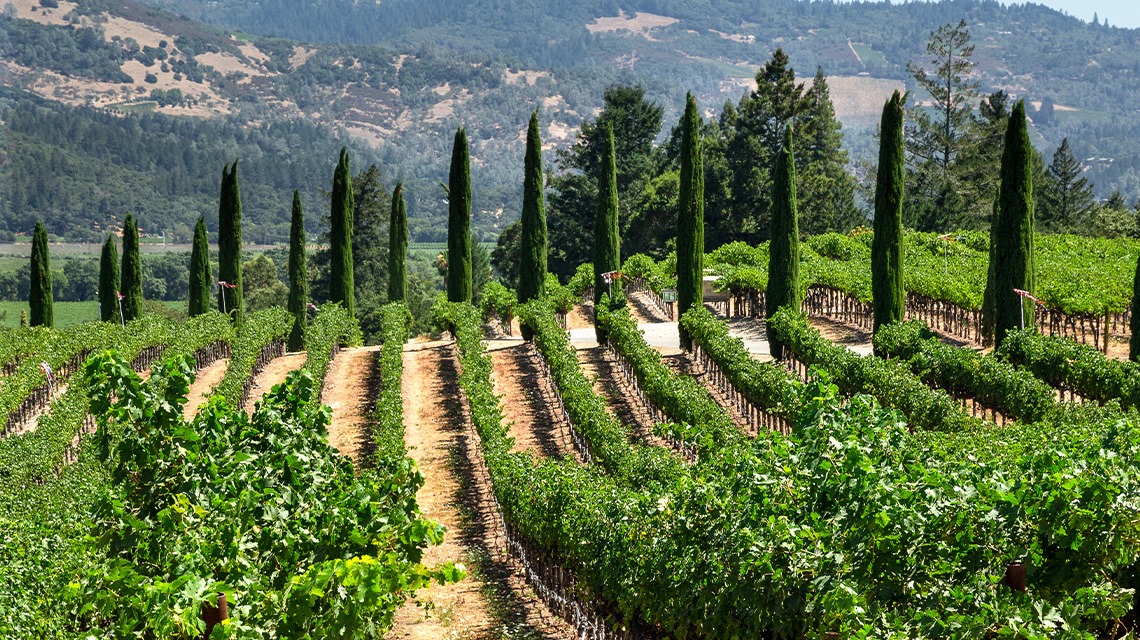
Despite the work involved, producing an event in a truly original setting can leave a lasting impression when done with intention. “Guests really do feel when you have used a unique space and delivered it to them in a way they’re never going to be able to do again,” says Clayton. It becomes more than an event. It becomes a story they tell.
Read More: How to Napa-ize Your Next Event
Clayton says, of the Big Sur retreat, “The attendees were some very high-end clients and guests who have access to a lot in the world, and the responses we were getting were, ‘We’ve never experienced anything like this. It was the best of its kind.’ The setting delivered something that was special and unique, but it also challenged you in production. You need to meet the setting. If your production doesn’t meet the setting, then it kind of flops.”
Whether you’re hosting a dinner among jellyfish tanks, a strategy session in a 19th-century garden or a welcome party on a remote coastal bluff, the goal is the same: to give attendees something rare, something immersive, something they couldn’t book on their own.
Alternative venues are challenging and often expensive. However, the standout attendee experience means the ROI is better than ever. Reimagine what a meeting can be. Your creative vision is the differentiator, and it is your greatest asset. When done right, a space that once felt impossible becomes unforgettable.